
There’s a version of yacht life that exists online.
It’s clean. Polished. Effortless.
Sunsets, champagne, and turquoise water stretching endlessly into the horizon.
And then there’s the version you actually live.
Before you step into this industry, it’s worth understanding the difference.
Because working on a yacht isn’t just a job.
It’s a lifestyle — and not everyone is built for it.

It’s Not Just Travel — It’s Work
Yes, you will travel.
You’ll see places most people only experience on holiday. You’ll wake up in new countries, meet people from all over the world, and experience moments that genuinely feel surreal.
But the job itself is demanding.
Long hours are standard. Expectations are high. And service — no matter your role — is taken seriously at every level.
There are days where you’ll be surrounded by incredible views… and not have a single moment to enjoy them.
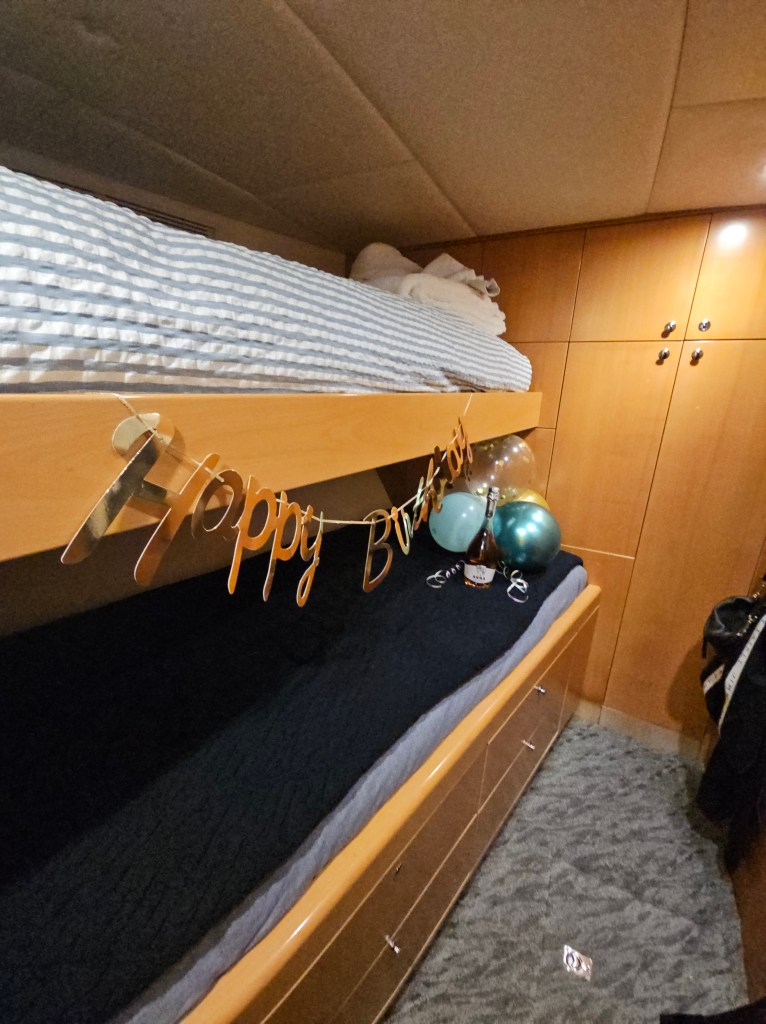
You Live Where You Work
This is one of the biggest adjustments — and one that people often underestimate.
On a yacht, you don’t leave work at the end of the day.
You live with your colleagues. You work with them. You see them constantly.
Privacy is limited. Space is shared. And personality clashes are inevitable.
As one industry guide puts it, crew are effectively “living and working in close quarters”, where teamwork and resilience are essential.
If you value independence and personal space, this can be one of the hardest parts of the job.
The Structure Is Real
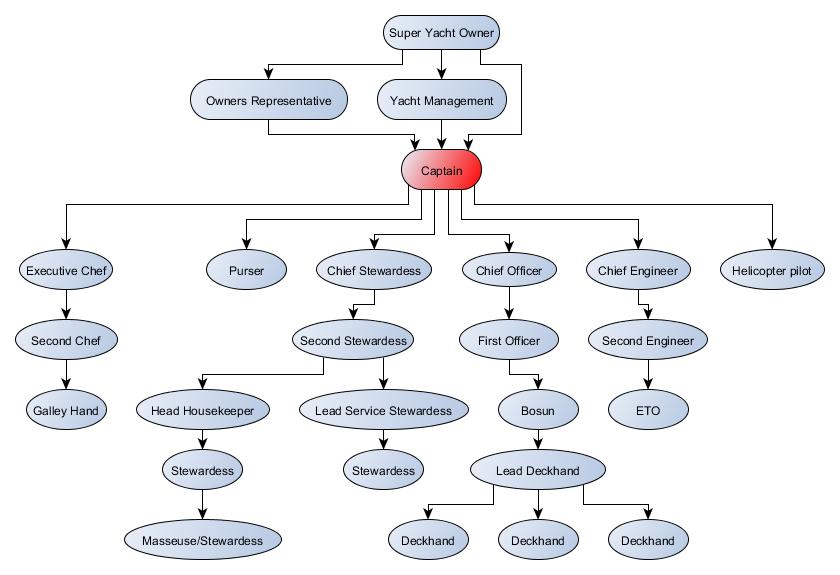
Yachts run on hierarchy.
Captain → Officers → Department Heads → Crew.
You’re expected to respect that structure at all times.
This isn’t a flexible startup environment where you can improvise your role. It’s a professional setting with clear expectations, responsibilities, and standards.
Understanding your position — and performing it well — matters.
Getting the Job Isn’t as Easy as It Looks
There’s a misconception that you can just “decide” to work on a yacht and be hired.
The reality is more structured.
You need:
- Mandatory training (STCW, medical certification)
- A strong, yacht-specific CV
- The ability to be physically present where yachts are hiring
Most jobs are filled quickly, and captains often hire candidates who are ready to step onboard immediately.
Preparation matters more than people think.
Your First Job Might Not Be Glamorous
Many crew start with day work — temporary, short-term jobs used to gain experience and prove reliability.
It can be repetitive. Physical. Sometimes unpredictable.
But it’s also where you build trust, reputation, and your first real opportunity.
Top Tip: NEVER work for free to gain ‘experience’. Any vessel that would have you work for free – RED FLAG and avoid at all costs. Also never settle for less, know the daily rate that is usually offered and aim for that!
The Hours Are Long
There is no “typical day” in yachting.
Your schedule depends on:
- Guests
- Location
- Season
- The needs of the yacht
During busy periods, long hours and minimal days off are normal.
This isn’t a 9–5.
It’s a commitment.
Not Everyone Lasts
This is the part most people don’t hear.
A lot of people enter yachting with a very specific expectation — usually shaped by social media or shows — and leave within a year. Many think it will just be a fun extended holiday where you work a little in-between boss trips or charters – reality is, you work extremely hard peak season and you need to be mentally & physically prepared for that!
From crew discussions online:
“People start with a skewed view… and they just don’t last.”
The industry rewards:
- Consistency
- Resilience
- Adaptability
- Kindness
- Skills
Not just enthusiasm.
But If It Works — It Really Works
For the right person, yachting can be an incredible career.
You can:
- Travel extensively
- Save significant money
- Build a global network
- Progress into senior roles
And perhaps most importantly — you develop a level of discipline and awareness that stays with you long after you leave the industry.
Final Thought
Yacht life isn’t what it looks like online.
It’s harder. More structured. More demanding.
But it’s also more real.
If you’re willing to embrace that — to work hard, adapt quickly, and stay grounded — it can become one of the most rewarding paths you take.
Just don’t go into it blind.


Leave a Reply